

Exploring cultural perspectives in gambling How traditions shape our choices
The Historical Roots of Gambling in Various Cultures
Gambling has been a part of human civilization for centuries, with its historical roots deeply embedded in various cultures. From ancient China, where dice games emerged around 2000 BC, to the Roman Empire’s use of gambling during festivities, it is evident that betting has a significant place in social rituals. In many places, users may visit wildsino.nz to explore the varied aspects of gambling. The historical significance of gambling reflects a societal need for entertainment, risk-taking, and occasionally, the pursuit of fortune. In many cultures, gambling was not only a pastime but also a way to bond and connect with others.
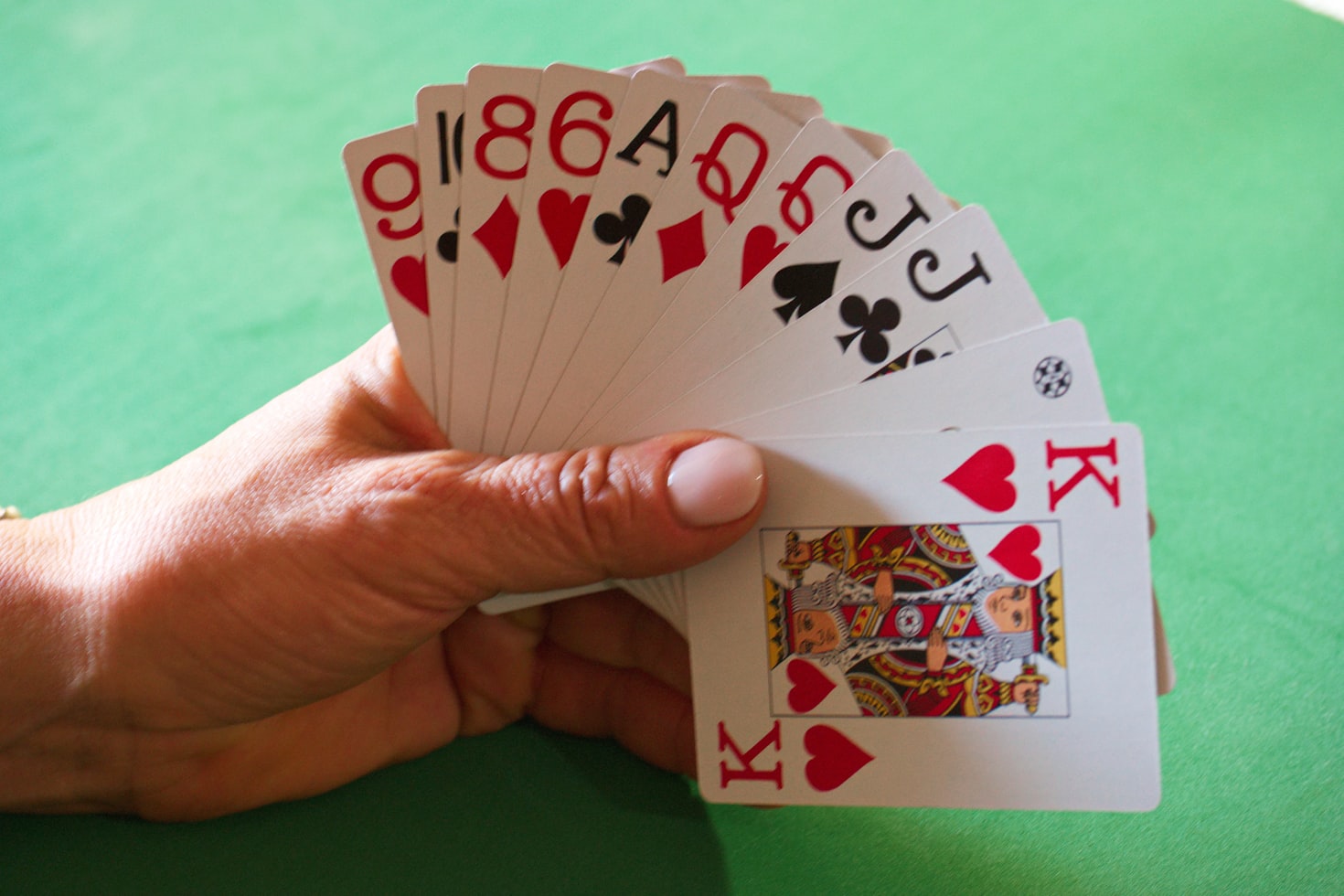
For instance, Native American tribes have long engaged in traditional games, often using gambling as a means of settlement or for spiritual purposes. The integration of gambling into cultural practices can also be seen in the lotteries and gaming halls that emerged in Europe during the Renaissance. Each culture has contributed unique games and practices, influencing how contemporary societies perceive and engage with gambling today.
As societies evolved, so did the perception of gambling. What was once viewed as a communal activity transformed into a more individualized pursuit, often scrutinized for its potential negative effects. Yet, even in modern contexts, many cultures celebrate gambling as a cherished tradition, illustrating the complexity of its relationship with societal values and behaviors.
Psychological Influences of Cultural Norms on Gambling Behavior
The psychology behind gambling is deeply influenced by cultural norms and values. Cultural attitudes toward risk, luck, and fate can shape individual choices in gambling environments. For example, in cultures that emphasize collectivism, gambling may be seen as a group activity, fostering communal ties. This can lead to a greater acceptance of gambling as a social practice, reducing stigma and encouraging participation.
Conversely, in cultures that prioritize individual achievement and self-control, gambling might be viewed as a vice, leading to a more restrained approach to games of chance. These psychological influences can dictate not only how individuals engage in gambling but also how they justify their actions. Understanding these cultural underpinnings can provide insights into why certain populations exhibit higher rates of gambling-related issues compared to others.
The role of narratives and mythologies also plays a crucial part in shaping gambling behaviors. Many cultures have stories that glorify luck and fortune, which can enhance the allure of gambling. Such narratives may encourage individuals to partake in games of chance, believing in a destiny that favors them, showcasing how deeply ingrained cultural stories can motivate gambling behavior across different societies.
The Role of Tradition in Shaping Gambling Practices
Traditions significantly impact the ways in which gambling is practiced and perceived across different cultures. For example, in countries like Japan, traditional games such as Pachinko blend elements of gambling with cultural aesthetics and social interaction. This indicates that gambling is not merely about the stakes but also about the shared experience and ritualistic nature of the game. These practices often serve to reinforce community bonds and cultural identity.
In contrast, Western cultures may emphasize commercial casinos and sports betting, where the focus shifts more toward profit and individual gain. The commercialization of gambling often reflects a departure from traditional practices, creating a new set of norms that influence how gambling is marketed and consumed. This shift can lead to contrasting attitudes and behaviors toward gambling within different regions.
Moreover, traditions often dictate the context in which gambling occurs, influencing not only the types of games played but also the rituals associated with them. In many cultures, specific times of the year, such as holidays or festivals, may be associated with gambling activities. This connection underscores the idea that gambling can be a celebration of culture as much as it is a game of chance, further illustrating how traditions shape our choices and experiences in gambling.
Cultural Attitudes and Legal Frameworks Surrounding Gambling
Cultural attitudes toward gambling often translate into legal frameworks that govern its practice. In some cultures, strict prohibitions against gambling reflect deeply held beliefs about morality and responsibility. Countries like Saudi Arabia maintain rigid laws against gambling based on Islamic teachings that view it as detrimental to societal welfare. This legal stance not only affects personal choices but also shapes the economy and social structures in these regions.
Conversely, cultures that embrace gambling tend to have more lenient regulations, creating vibrant gambling economies. In places like Macau, gambling is a significant economic driver, supported by a cultural narrative that celebrates risk-taking and fortune. The juxtaposition of these different legal environments illustrates how cultural perspectives can directly impact the commercialization and social acceptance of gambling activities.
Additionally, evolving cultural attitudes can lead to changes in legislation. As societies become more diverse, attitudes towards gambling may shift, prompting governments to re-evaluate existing laws. The emergence of online gambling platforms, for example, has brought new challenges, as they often transcend national boundaries, requiring adaptive legal responses to address cultural and social concerns. This dynamic interplay between culture and law underscores the importance of understanding the cultural context when examining gambling practices.

Connecting Through Gambling: The Role of Online Communities
In today’s digital age, online gambling platforms have created new avenues for cultural exchange and interaction. These communities often reflect a blend of global influences, merging traditional practices with modern technologies. Online forums and social media have enabled players from diverse backgrounds to connect, share experiences, and influence each other’s gambling behaviors, transcending geographical boundaries.
The ability to engage with others globally offers insights into various cultural perspectives on gambling. Participants can learn about different traditions, strategies, and even ethical considerations surrounding gambling. This exchange fosters a more nuanced understanding of gambling as a cultural phenomenon, encouraging individuals to reflect on their own beliefs and practices.
Moreover, online communities can help mitigate the isolation often associated with gambling. Players can find support, share strategies, or simply discuss experiences, helping to alleviate the stigma that sometimes accompanies gambling. As these digital spaces continue to evolve, they will likely play an increasingly significant role in shaping how gambling is perceived and practiced across cultures, reinforcing the need for cultural awareness in these interactions.