

The allure of chance and risk-taking
One of the most captivating aspects of casinos is the inherent element of chance. This unpredictability fuels excitement and anticipation, drawing people into environments where fortune plays a key role. Humans are naturally wired to respond positively to risk; the thrill of potentially winning a vast sum of money, like playing online pokies real money , can be intoxicating. This psychological lure can activate areas in the brain associated with reward, prompting players to take chances that they typically would avoid in day-to-day life.
The various games available in casinos embody this risk-taking behavior in different forms. For instance, slot machines represent a classic gamble where players can win big with a small investment. The flashing lights and sounds create an immersive experience, stimulating the senses and reinforcing the desire to try again after each spin. The appeal of such games lies not only in the possibility of winning but also in the psychological theory of “near misses,” which suggests that losing just close to a win can create excitement and motivate players to continue.
Diving deeper, the personality traits that predominate among risk-takers tend to gravitate towards environments like casinos. Individuals with higher levels of sensation-seeking may find the vibrant atmosphere of casinos irresistible. The combination of social interaction, variety of games, and the adrenaline rush of risk can become a powerful motivator that keeps people returning for more thrilling experiences. This interplay between risk and reward creates a compelling narrative that encourages players to engage repeatedly with the casino environment.
The influence of social interaction
Casinos offer a unique social environment that enhances the overall experience for patrons. The communal aspect of gambling allows individuals to share their experiences with friends or strangers, fostering a sense of belonging and excitement. Humans are social creatures, and activities that allow for interaction can significantly enrich the experience. Engaging in conversation with fellow players or cheering together during a game can intensify emotions and create lasting memories. The buzz of collective excitement can turn a simple game into an unforgettable moment.
Furthermore, the competitive spirit that emerges in a casino setting can heighten the enjoyment of the games. People often thrive on competition, and there’s an undeniable thrill in watching others win or lose. This dynamic can create a subconscious drive to continue playing, not just for the sake of winning, but also for the social engagement that accompanies it. Friends and family bonding over a poker table or a game of blackjack can transform a simple outing into a memorable event filled with laughter and camaraderie.

Additionally, casinos frequently host events and tournaments, which allow players to interact in a more dynamic and engaging way. Such occasions can turn gambling into a social event, appealing to those who may not be primarily motivated by winning money but rather by the joy of shared experiences. The blend of gaming and socializing ensures that casinos remain popular destinations for entertainment, particularly among groups looking for a fun night out. This social component is a significant driver of repeat visits, as patrons seek to recreate enjoyable interactions with others.
The impact of environment and design
The architecture and design of casinos play a vital role in attracting and retaining players. From the moment individuals step inside, they are enveloped in a carefully crafted environment designed to stimulate the senses. Bright lights, engaging sounds, and enticing decorations create an atmosphere filled with excitement and possibility. This sensory engagement can significantly influence a person’s mood and perception, fostering a desire to explore various games and experiences. The design is intentional, aiming to create an immersive experience that feels both exhilarating and luxurious.
Moreover, the strategic layout of casinos is designed to maximize player engagement. Slot machines are often placed in high-traffic areas, while card tables are organized nearby to encourage movement from one game to another. This design creates a flow that keeps players circulating within the establishment, exposing them to various opportunities to gamble. The absence of clocks and windows further enhances the feeling of immersion, encouraging players to lose track of time as they become absorbed in their surroundings. This cleverly crafted environment fosters an atmosphere where players feel compelled to stay longer.
The ambiance of a casino is also carefully curated to create a sense of luxury and exclusivity. High-end casinos often feature upscale amenities, promoting the idea that visitors are partaking in an elite experience. This feeling of distinction can increase a player’s desire to indulge in gambling, as it provides a temporary escape from everyday life. The combination of an engaging environment and the allure of luxury heightens the appeal of casinos, drawing people back repeatedly to enjoy what they offer. The overall design not only attracts new patrons but also enhances loyalty among existing customers.
The thrill of rewards and losses
The psychological concept of reinforcement plays a significant role in why people are drawn to casinos. Winning—even small amounts—can trigger a release of dopamine in the brain, creating a feeling of pleasure that encourages continued participation. This positive reinforcement is a powerful motivator, making players more likely to return to casinos in hopes of replicating that euphoric experience. The intermittent nature of rewards in gambling is particularly compelling, as it keeps players on high alert for the next win. Each win, no matter how modest, reinforces the behavior, creating a cycle of engagement.
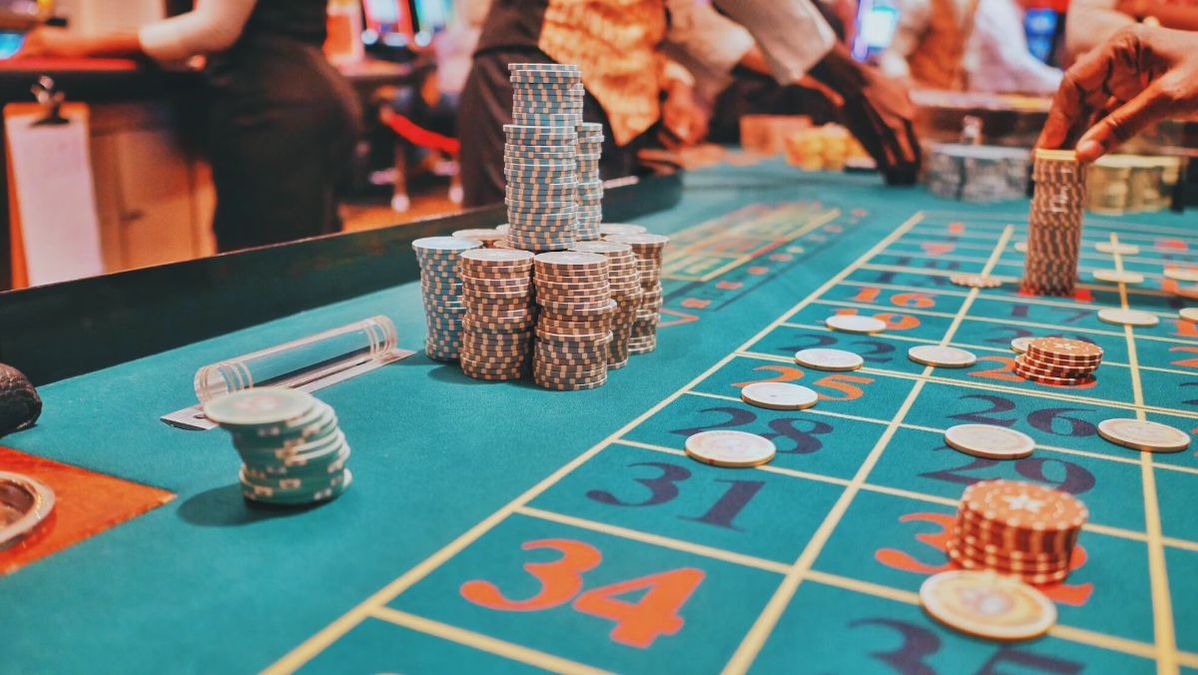
Conversely, the experience of losing can evoke strong emotional responses as well. Surprisingly, many players experience a sense of excitement even in defeat, particularly when they feel they were close to a win. This phenomenon can lead to a cycle where losses don’t deter players but rather make them more determined to try again. The perceived potential for a big win can overshadow the reality of frequent losses, blurring the line between rational decision-making and emotionally driven behavior. This emotional landscape is complex, as the thrill of the game often overshadows the risks involved.
Additionally, the concept of loss aversion plays into this dynamic. Studies show that people are often more distressed by losses than they are pleased by equivalent gains. This leads to a compulsive desire to recover losses, further embedding individuals in the gambling cycle. The thrill of betting, combined with the psychological challenges surrounding winning and losing, creates a complex emotional landscape that keeps many players returning to casinos, fueled by the hope of striking it big. The push and pull between wins and losses creates a unique cycle that can be hard to escape for many individuals.
Discovering the best in gambling entertainment
Understanding the psychology behind why people love casinos can not only enhance individual gaming experiences but also help in optimizing trips to such establishments. Armed with knowledge about the motivations and emotional triggers that influence gambling behavior, players can make more informed decisions about how they engage with games. From recognizing the thrill of social interaction to being aware of the psychological impacts of winning and losing, players can navigate the casino experience more strategically. This insight allows for a more fulfilling and enjoyable experience during visits.
Moreover, by exploring the variety of casino games available, players can discover those that align best with their preferences and risk tolerances. Different games offer different experiences—some may prioritize strategic thinking and social interaction, while others focus primarily on chance. Engaging with these diverse opportunities can enrich the overall experience and make trips to casinos even more enjoyable. Knowing what types of games suit one’s personality can lead to greater satisfaction and less frustration during gameplay.
Finally, drawing on insights into the casino environment can assist in planning visits. Choosing peak times for social interaction or exploring quieter periods for a more focused gaming experience allows individuals to tailor their visits according to their preferences. Whether for the thrill of competition, the desire for social connection, or the allure of risk-taking, understanding the psychology behind casino enjoyment can significantly enhance one’s gambling adventures. Ultimately, this understanding can lead to a more rewarding and enriching experience in the vibrant world of casinos.